






Email continues to be one of the most powerful channels for online retailers in 2025. While social media and paid ads dominate headlines, email quietly delivers some of the highest ROI in digital marketing. The rules are evolving—Google, Yahoo, and other inbox providers are tightening authentication and spam regulations—but brands that adapt with precision, personalization, and segmentation are seeing better engagement, stronger loyalty, and higher conversions.
Why Email Still Wins in a Social Media World
In a crowded digital ecosystem where TikTok trends fade overnight and Facebook algorithms change constantly, email remains the most reliable way to connect directly with customers. It doesn’t depend on platform reach or ad budgets—if done right, it lands in the inbox with measurable impact.
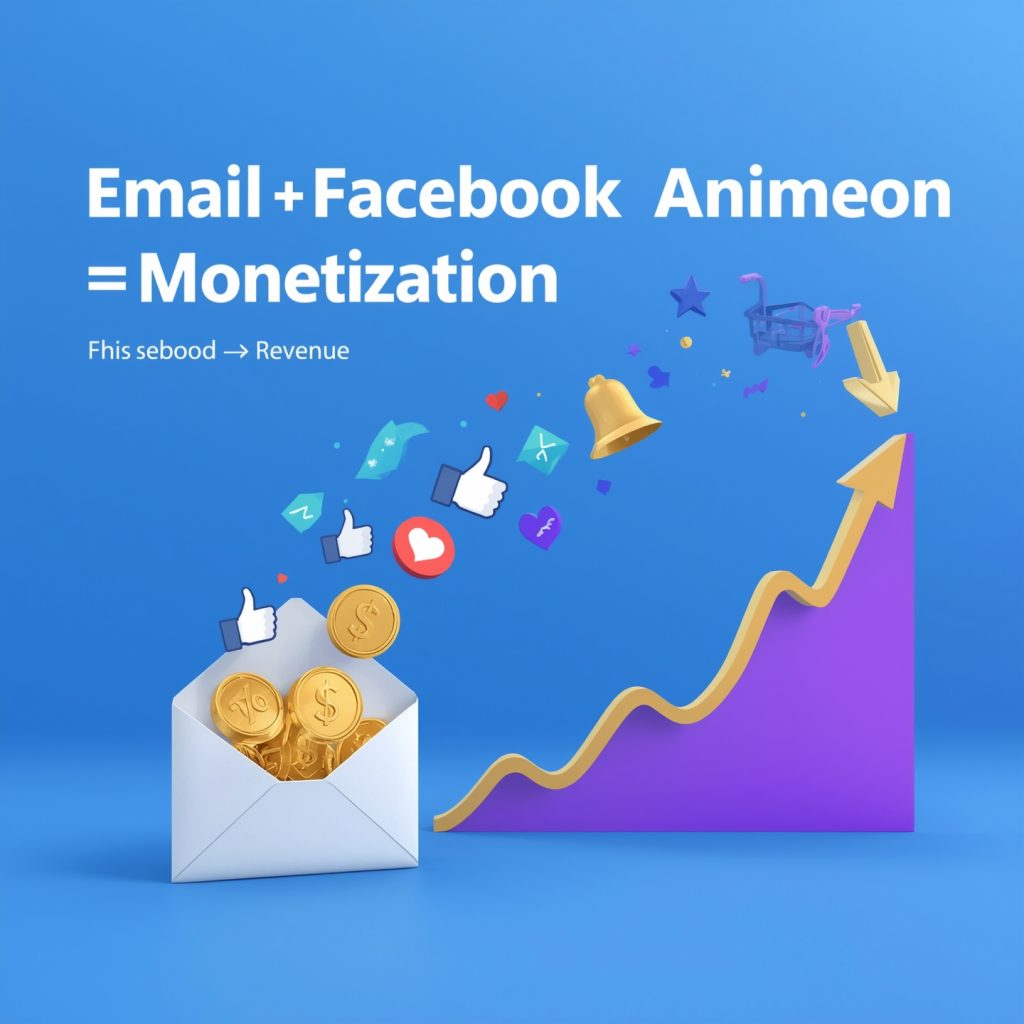
This shift matters for Facebook monetization too: as Meta encourages creators and brands to drive engagement inside its ecosystem, email acts as a conversion bridge. A viral Facebook campaign might bring awareness, but targeted email sequences convert that attention into repeat buyers and long-term revenue.
Key Strategies Driving Results in 2025
1. Precision Segmentation & Personalization
Broad email blasts don’t work anymore. The most successful brands use customer data to build segments—such as first-time buyers, loyal VIPs, or cart abandoners—and then tailor campaigns to each group. Personalized product recommendations, storytelling that resonates with specific buyer personas, and dynamic content now outperform generic offers.
2. Compelling Subject Lines That Cut Through Noise
The subject line is still the make-or-break moment. Curiosity, urgency, and exclusivity drive higher open rates. For example, a line like “Unlock Your Deal Before It’s Gone” outperforms generic “Sale Today” messages. Testing (A/B or multivariate) remains critical to understanding what resonates with each audience.
3. Automation That Scales Revenue
Brands are scaling with automated flows—welcome emails, abandoned cart recovery, and post-purchase follow-ups. These flows nurture customers with minimal manual effort, while win-back campaigns help re-engage inactive subscribers. For e-commerce stores, these automated journeys can recover thousands in otherwise lost sales.
4. Urgency and Gamification
Time-sensitive offers, countdown timers, and limited-stock messages are proven tactics. But in 2025, brands are adding gamified elements—like reward streaks or milestone unlocks—that mirror what platforms such as Facebook are doing with “poke counts” and engagement badges. This crossover between email and social mechanics can significantly boost conversions.
5. Data, Testing & Iteration
Smart marketers constantly track open rates, clicks, and conversions to refine strategy. Testing goes beyond subject lines: layout, call-to-action placement, interactive elements (like polls or embedded videos), and even send times can all influence success. The brands that test, learn, and adapt fastest win in competitive markets.
6. Loyalty, Value & Long-Term Growth
Selling isn’t everything—building trust is. Value-driven emails, such as tips, guides, or industry insights, help nurture long-term relationships. Adding surprise perks like free shipping or exclusive access can boost loyalty programs, increasing lifetime customer value.
The Role of AI in Email Marketing
AI tools are reshaping email campaigns in 2025, enabling hyper-personalization and predictive analytics. From subject line optimization to product recommendations based on browsing behavior, AI is making campaigns sharper and more relevant. However, the brands winning big are those that blend AI efficiency with human creativity, ensuring campaigns don’t feel robotic.
What This Means for Facebook Monetization
Here’s the connection marketers can’t ignore:
Email fuels social conversions. Viral Facebook posts and creator campaigns drive awareness, but email closes the sale.
Cross-channel synergy. Pairing Facebook engagement tools (like Groups, Shops, and now gamified features like pokes) with email reminders creates a seamless funnel from discovery → engagement → purchase.
Better ROI. Email campaigns cost less than paid ads and, when combined with Facebook retargeting, deliver higher monetization efficiency.
First-party data advantage. With privacy rules tightening, email lists give brands control beyond Facebook’s algorithm, ensuring they can still monetize audiences directly.
Final Takeaway
Email marketing in 2025 isn’t about blasting promotions—it’s about precision, personalization, and connection. When combined strategically with platforms like Facebook, email becomes a monetization powerhouse, turning likes, pokes, and follows into paying customers and repeat buyers.
For e-commerce brands and digital marketers, the smartest play is a hybrid strategy: leverage Facebook for discovery and engagement, and use email to secure loyalty and long-term growth.
Social Link: Facebook


